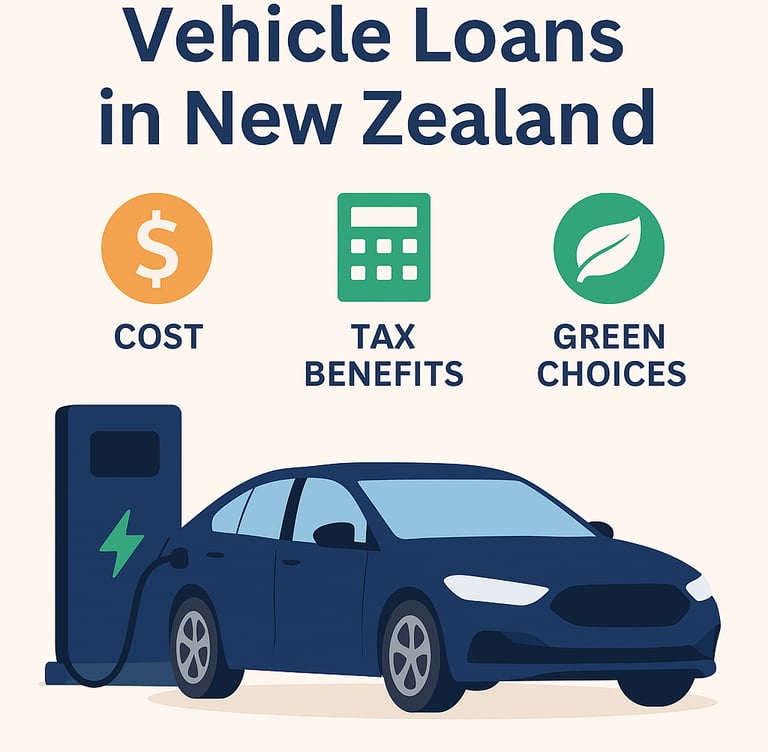
Vehicle Loans in New Zealand: Balancing Cost, Tax Benefits, and Green Choices
What’s the smartest way to structure a vehicle loan?
Purchasing a vehicle is one of the bigger financial commitments most individuals and businesses make. Whether you’re buying a family car, upgrading a business vehicle, or moving toward low-emission transport, the way you finance the purchase can make a huge difference to your long-term costs.
At Metta Tax & Accounting Services, we often get asked: What’s the smartest way to structure a vehicle loan? Here’s what you should know.
1. Types of Vehicle Finance
Standard Vehicle Loans: Borrowed through banks or finance companies, typically secured against the car. Rates can range widely depending on your credit profile.
Dealer Finance: Offered directly by vehicle dealerships, sometimes with promotional low rates (e.g. 0% or 1%), but often with conditions like shorter terms or higher upfront costs.
Green / Clean Transport Loans: Increasingly common in NZ, these offer discounted rates for low-emission vehicles. Eligible options usually include:
Electric vehicles (EVs) and plug-in hybrids (PHEVs).
Hybrids under a set CO₂ emissions threshold (e.g. ≤ 50g CO₂/km).
Charging infrastructure for EVs.
Micromobility solutions such as e-bikes and scooters.
2. Key Costs to Consider
When comparing loan options, look beyond the interest rate:
Interest charges: Even a small rate difference has a big impact. A $20,000 loan at 1% over 3 years costs ~$310 in interest; at 10%, the interest balloons to over $3,000.
Fees: Establishment, account maintenance, and early repayment fees add up.
Insurance: Comprehensive cover is required by most lenders. Any excess you pay on claims may be partly deductible if the car is used for business.
3. Tax Implications
GST Claims: If you’re GST-registered and the vehicle is used for business, you can usually claim the GST upfront.
Business Expense Deductions: Loan interest, insurance, fuel, rego, repairs, and even a portion of insurance excess can be deductible based on the percentage of business use.
Fringe Benefit Tax (FBT): If a company car is available for personal use, FBT obligations must be considered.
Example: If you use your car 25% for business, you can generally claim 25% of running costs and the loan interest.
4. Why Consider Green Transport Finance?
Banks and lenders in New Zealand are increasingly supporting sustainable transport. Moving to cleaner vehicles can benefit you in two ways:
Lower borrowing costs: Green loans often carry significantly reduced interest rates compared to standard vehicle finance.
Operational savings: EVs and efficient hybrids often have lower running and maintenance costs.
Environmental impact: Businesses can strengthen their sustainability profile and appeal to eco-conscious clients.
5. Practical Tips Before You Sign
Compare the true cost (interest + fees), not just the advertised rate.
Check your vehicle’s emissions rating if you want access to low-interest green finance.
Make sure your loan term aligns with your cashflow — short terms save on interest but mean higher monthly repayments.
Get advice on the tax treatment so you’re maximising deductions without running into IRD issues.
Final Thoughts
A vehicle loan isn’t just about getting a car — it’s about balancing affordability, tax efficiency, and long-term financial sustainability. With clean transport finance options now widely available, New Zealand businesses and individuals have more choice than ever to align their financial decisions with environmental goals.
At Metta Tax & Accounting Services, we can help you:
Weigh up finance options.
Maximise your tax claims.
Plan ahead for cashflow and GST.
Understand whether a green loan might be right for you.
👉 Ready to upgrade your vehicle the smart way? Talk to us today at info@mettax.co.nz for tailored advice.