
Sponsorship and Tax: Can You Claim It?
Sponsorship is more than just goodwill – it can be a smart business move. In this post, we explore how the IRD views sponsorship expenses, when they’re tax-deductible, and what limitations apply.

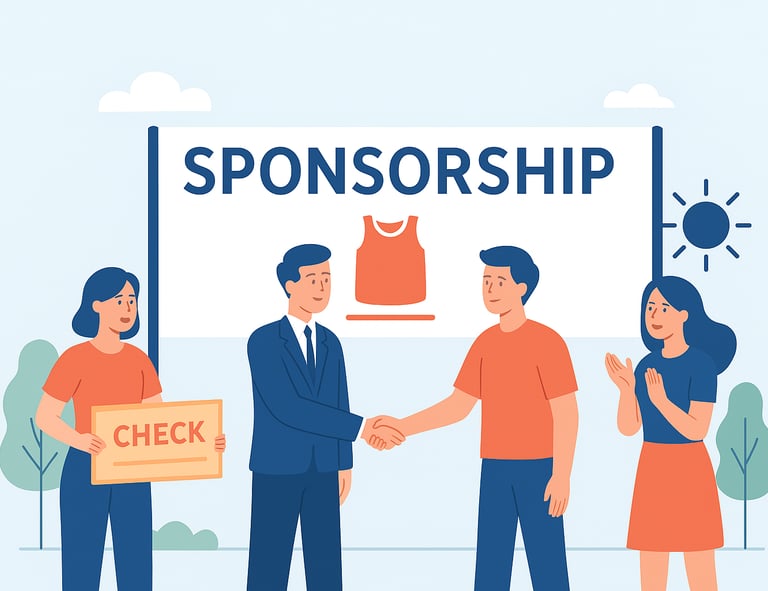
Sponsoring a local sports team, community event, or charity is a great way for businesses to give back and build brand recognition. But when it comes to tax, sponsorship and donations are treated differently – and it’s important to understand when you can (and can’t) claim a deduction.
What Counts as Sponsorship?
Sponsorship isn’t just about writing a cheque. It can include:
Cash payments to support an organisation, event, or cause.
Goods – for example, giving away products you usually sell.
Services – such as donating your time, skills, or professional expertise.
The key test is whether the sponsorship promotes or advertises your business.
When is Sponsorship Deductible?
Sponsorship is deductible when it has a clear business purpose. You should be able to show that the arrangement helps market your business and is part of your overall strategy.
✅ Example – Deductible:
A mechanic sponsors the local rugby team. In return, the team displays his business logo on uniforms and vehicles. This is deductible because it promotes his business to potential customers.
❌ Example – Not Deductible:
A business owner donates to their child’s school. The school lists the name in a long list of donors in the back of a magazine. Since there’s no real marketing benefit, this is treated as a donation, not deductible as sponsorship (though donation tax credits may apply).
Limits and Watch Outs:
Even when sponsorship is for business promotion, there are some important rules:
Capital items: If you buy something you keep (like a van or equipment), it may not be fully deductible – but you might claim depreciation.
Private benefit: If you or your family also benefit (like discounted school fees), you may need to split the expense between private and business.
Employees: If you sponsor an employee (e.g. paying race entry fees), this may count as wages or trigger fringe benefit tax.
Goods and Services as Sponsorship
If you give away products you normally sell, you can usually deduct the cost.
If you provide services for free, you can deduct the costs of providing them.
Takeaways for Businesses
Always get a written sponsorship agreement that clearly shows your business promotion.
Tie sponsorship into your marketing strategy – not just goodwill.
Keep good records in case IRD reviews your claim.
Where there’s a personal benefit, talk to your accountant about how to handle it.